

Inheritance Tax: Five Practical Ways to Plan Ahead
Inheritance tax can take 40% of everything above the threshold. These five straightforward steps can help more of your estate reach the people you choose.
Written by
RK Wills Team
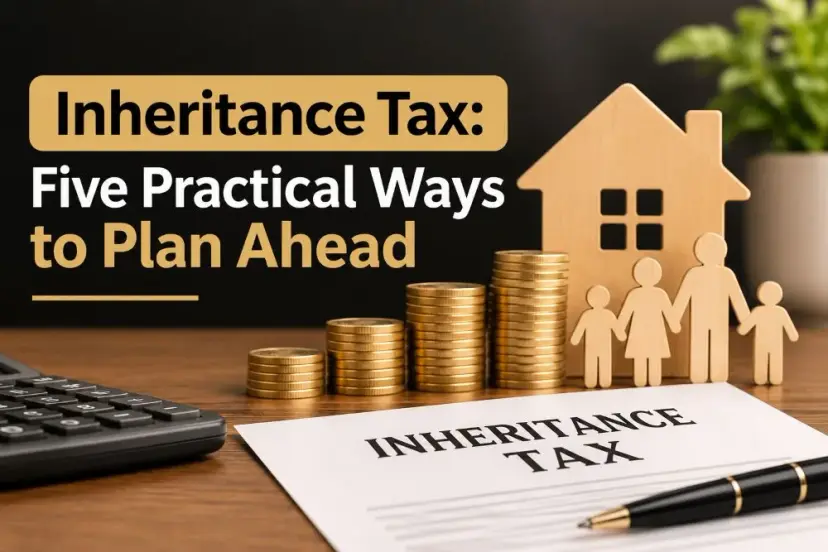
Inheritance tax (IHT) is the tax charged on the value of your estate when you die. At 40% on everything above the threshold, it can take a significant slice of what you hoped to pass on — and as property values rise, more families are finding themselves affected than they expected. The good news is that a little planning, started early, can make a real difference.
How inheritance tax works
Your estate is everything you own — your home, savings, investments and possessions — less what you owe. Tax is only due on the part above your allowances:
- The nil-rate band is currently £325,000 per person. Tax is charged at 40% on the value above it.
- The residence nil-rate band adds up to a further £175,000 when you leave your home to your children or grandchildren (direct descendants). It reduces for larger estates.
- Anything you leave to a husband, wife or civil partner is normally exempt, and any unused allowance can usually pass to them to use on their death.
Good to know: these thresholds are set by the government and can change. Always check the current figures on GOV.UK, or ask us, before you rely on them.
1. Make a will — and keep it up to date
It sounds basic, but it is the foundation of every plan. A will lets you direct your estate to the people and causes you choose rather than leaving it to the intestacy rules, and it is where you set up trusts and make gifts that can reduce tax. Our guide to why everyone needs a will explains what happens without one.
2. Use your gift allowances
You can give away money during your lifetime without it counting towards your estate, within some simple limits each tax year:
- £3,000 a year in total (the annual exemption), and you can carry forward one unused year.
- £250 to as many different people as you like, as small gifts.
- Wedding gifts: £5,000 to a child, £2,500 to a grandchild and £1,000 to anyone else.
- Regular gifts from surplus income, with no upper limit — as long as they are a habit, come from income rather than capital and leave you with enough to maintain your normal standard of living. Keep records.
3. Make larger gifts and live seven years
Larger gifts are called potentially exempt transfers. If you live for seven years after making one, it falls outside your estate completely. If you die within seven years, it may be taxed, although the tax reduces gradually if you survive more than three. The catch is that you must genuinely give it up: giving away your home but carrying on living in it rent-free, for example, does not work for tax purposes.
4. Leave something to charity
If you leave at least 10% of your net estate to charity, the rate of inheritance tax on the rest of it falls from 40% to 36%. For people who already planned to give to a good cause, it can mean the family and the charity end up with more between them.
5. Consider trusts and life insurance
A trust can hold assets outside your estate while still letting you decide who benefits, when, and under what conditions — useful for protecting children, grandchildren or anyone who is vulnerable. Gifts into some trusts can have their own tax rules, so the structure needs to be chosen with care; see our page on trusts.
A life insurance policy written in trust pays out to your beneficiaries directly, outside your estate and without waiting for probate, so it can be used to cover an inheritance tax bill on time.
Mistakes we see most often
- Not keeping records of gifts, which executors then struggle to prove.
- Giving away too much, then needing the money for care or living costs later.
- Assuming the spouse exemption solves everything. It defers the tax to the second death, when the whole estate is counted together.
- Leaving it too late. Many of the best options, like the seven-year rule, need time to work.
Our team can look at your whole picture — will, gifts, trusts and insurance — as part of tax planning and financial planning, and tell you honestly what is worth doing.
Not sure whether inheritance tax affects you? Book a free initial consultation and we will talk through your situation. Evening and weekend appointments are available.
This article is general information for readers in England and Wales. It is not legal, tax or financial advice, and the rules can change — please talk to an adviser about your own circumstances.
Frequently Asked Questions
Enjoyed this? Share it with friends.
Comments (0)
No comments yet. Be the first to comment!